Category: Article
-
Cyber insurance is booming, but so are denied claims. Discover why North American CISOs must stop treating coverage as protection and start treating it as risk modeling. Learn what policies don’t cover, how to bridge the financial gap, and how to earn—not just buy—coverage.
-
The cybersecurity status quo is collapsing under vague risk assessments. Traditional scoring misleads, creating an echo chamber of miscommunication. Enter FAIR, pairing with Monte Carlo simulations to finally quantify risk in business terms. Shift from fuzzy scores to clear financial implications or face the consequences of ignorance. The future demands precision.
-
-
Most phishing attacks succeed not because users are careless, but because systems fail them. This article applies the Five Whys method to uncover the real root causes behind security incidents — revealing how to redesign culture, workflows, and training to prevent breaches before they begin.
-
Newly appointed CISO? Learn how to transform your first 100 days from reactive firefighting into strategic, high-impact leadership. From auditing cultural risk to prioritizing the 20% of threats that matter, this guide turns chaos into clarity — and you into the security leader your organization needs.
-
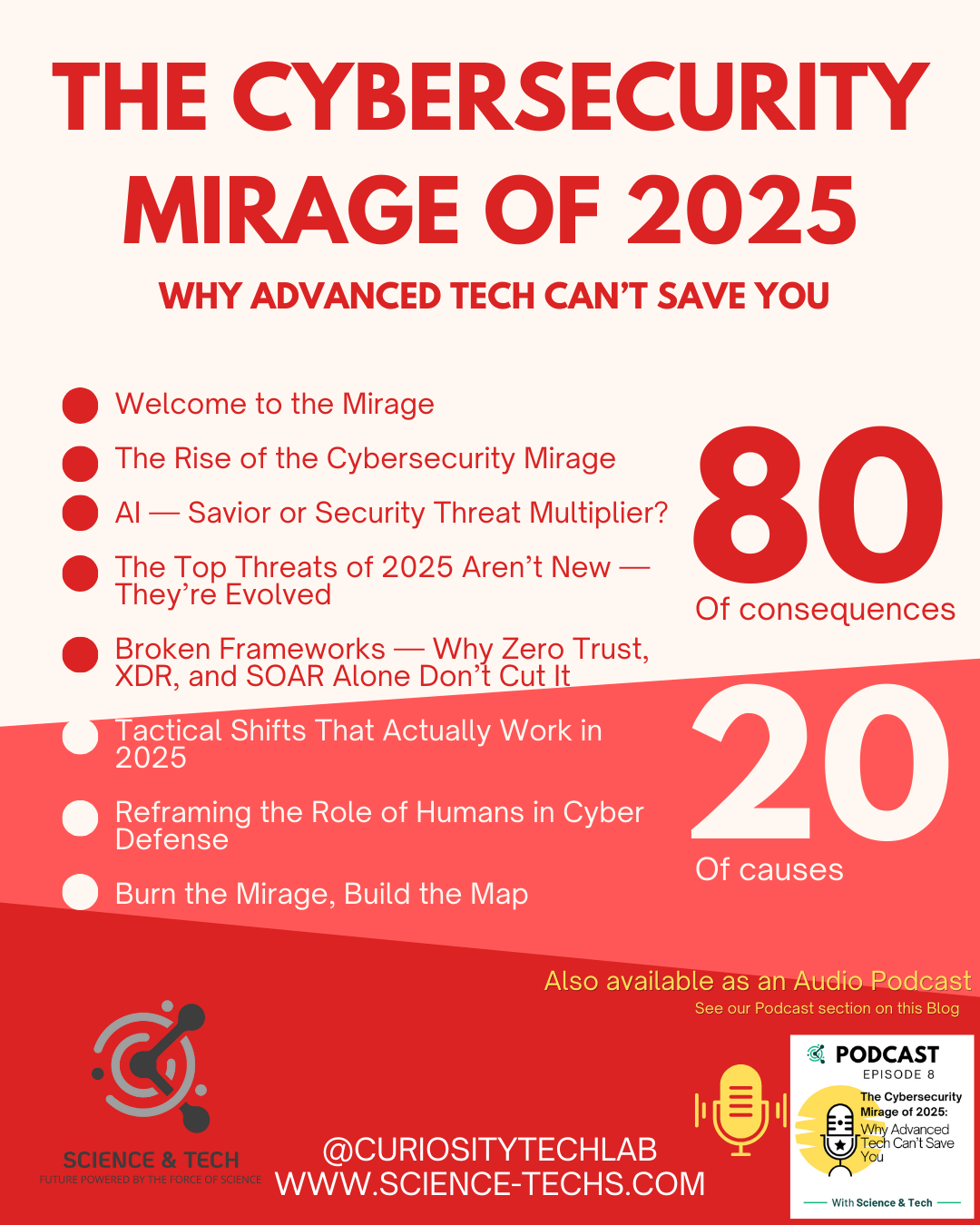
Despite record cybersecurity spending and AI-driven defenses, 2025 has seen more breaches than ever. Discover why trust in automation is failing, which threats are truly evolving, and what tactical shifts forward-thinking security teams are making to stay resilient.
-
Imagine waking up to a viral video of a world leader declaring war or a CEO announcing a sudden bankruptcy—only to discover later that the video was entirely fake. Deepfake technology, once a novelty of AI research, has evolved into a serious cyber threat capable of manipulating public opinion, committing financial fraud, and even influencing…
-
AI is everywhere. From chatbots to coding assistants, artificial intelligence is transforming the workplace, making tasks faster, more innovative, and more efficient. But there’s a problem: not all AI usage is sanctioned by IT departments. Enter Shadow AI—the unauthorized use of AI tools by employees without the knowledge or approval of their organization.
-
More entropy means stronger security—but at what cost? Explore why cybersecurity must evolve beyond rigid entropy policies, how hackers exploit weak randomness, and the future of AI-driven adaptive security.
-
Imagine this: A company spends millions on advanced AI-driven security systems, yet it falls victim to a cyberattack because a single unpatched vulnerability was exploited. Sound familiar? That’s because most security incidents stem from a small set of overlooked risks—a perfect example of the Pareto Principle in action.